Templates
A music campaign brief creators can actually use
A creator brief can include the right sound link, deadline and tags and still produce a weak post. It can explain every deliverable while leaving no room for the reason you chose the creator: their judgment about what works for the people who watch them.
At Lunar, creative fit is part of the brief itself. The document should explain what the track contributes and what needs to stay recognizable. It should also give the creator real decisions to make. This music campaign brief template separates those creative choices from the delivery details both sides need.
Check the casting before tightening the instructions
Start by writing why you chose this person. Name a format they already make and explain how the track could belong in it. That forces a useful conversation before anyone spends time drafting a script.
If the entire concept depends on them behaving like a different creator, more detailed instructions may be solving the wrong problem. Revisit the format or the casting. A brief can make an idea clearer; it cannot manufacture the relationship between a creator and their audience.
Keep that rationale in the working document. It gives the creator context and gives the person approving the post a reason to preserve the choices that make it feel like their work.
Be precise about what stays fixed
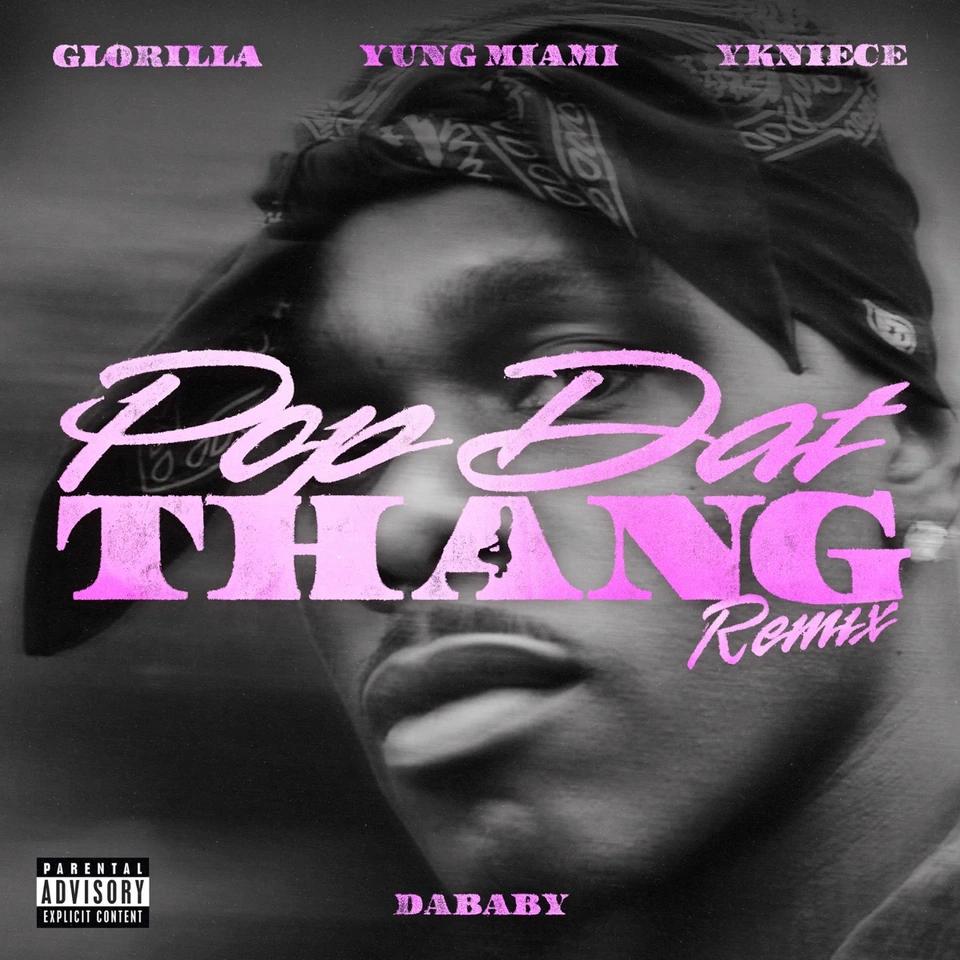
Pop Dat Thang used an accessible dance idea across solo creators, groups, dancers and beginners. The shared concept gave the campaign a recognizable starting point. The range of participants gave it room for individual style.
Here is how that documented direction could translate into a working brief: use the agreed sound segment; make the dance recognizable; adapt the setting and presentation to your usual content. This is an illustrative handoff, rather than a reproduction of the original campaign brief.
Notice what it leaves open. A creator can choose how to introduce the idea and who joins them. That is a more useful kind of freedom than a vague request to “be authentic” after every creative detail has already been prescribed.
Give the creator a decision worth making
Creative freedom needs a clear boundary. State the sound segment, required elements and shared idea. Then identify the choices the creator owns, such as the setup, delivery or adaptation to their recurring format. Resolve any disagreement about those boundaries before filming.
TikTok’s own creative guidance encourages giving creators freedom. In a brief, that advice becomes useful only when everyone knows which decisions remain open. “Make it your own” means little if a later review replaces the creator’s language with a script nobody discussed.
Ask for a short proposed treatment before production when the idea needs clarification. Discuss the creative reasoning at that stage, while changes are easier to make.
Make the delivery details easy to find
Keep operational requirements in a short, separate section. Name one approval owner, set feedback dates and agree on the revision scope. Include the exact sound link so nobody works from a different version of the track.
List the fee and currency, deliverable formats, posting dates and agreed usage. Assign ownership for confirming sound availability and supplying any required tags or disclosures. The creator should be able to find these answers quickly.
Before sending feedback, separate a missed requirement from a preference. A wrong sound link calls for correction. A request to change the creator’s delivery deserves a conversation about what the change would improve and whether it fits the original reason for choosing them.
Give a test campaign somewhere to go
Valentina used a broader first round of creators and reinvested in strong performers. A campaign planned that way needs a brief that leaves room for a follow-up decision. Spending the full budget and fixing every deliverable before launch would remove that flexibility.
Write the review date, the available follow-up budget and the observations you will consider. Include audience response and the fit of the sound alongside viewing performance. Agree on reporting windows so a post that has been live for one day is not casually compared with one that has had a week.
This makes the brief a working agreement about how the campaign will develop. The creator knows what is expected now, and the team knows which decision comes next.
Use the template to expose unanswered questions
Copy the template into your shared document and keep unresolved fields visible. Give each one an owner. A blank reporting window or unclear approval process is worth settling before the post exists.
Read the creative section back from the creator’s side. They should understand why the track fits, which elements matter and where their own judgment is wanted. That is the standard the document needs to meet before its administrative completeness becomes useful.
MUSIC CREATOR CAMPAIGN BRIEF

Artist / track:
Track link and approved sound:
Release date / campaign window:
Campaign owner and contact:

1. THE DECISION
Who should discover this track?
What should they remember or do after watching?
What would make this campaign worth doing?

2. THE CREATIVE
Sound segment and timestamps:
Why this moment suits the creator's usual content:
Core idea viewers should recognize:
What the creator can interpret freely:
Required tags / links / disclosures:
Do not include:

3. CREATOR SELECTION
Audience and geography:
Relevant formats / cultural context:
Recent performance to review:
Reasons this creator fits this track:

4. SCOPE AND DELIVERY
Number and format of deliverables:
Budget and currency:
What the fee covers:
Usage rights / paid amplification / exclusivity terms:
Draft due / feedback due / live date:
Approver and number of revision rounds:
Sound availability / clearance owner:

5. MEASUREMENT AND NEXT STEP
Reporting window and data capture dates:
Views / interactions / audience data to collect:
How qualitative response will be reviewed:
Paid, commissioned and uncommissioned activity tracked separately:
Decision after the first round:
Follow-up budget and owner:
Known measurement limits:
Download the brief · TXT

About TJ Byun
TJ Byun is a co-founder of Eclips Network and Lunar Media, a seven-figure agency specializing in influencer marketing and clipping. He graduated from the University of Illinois Urbana-Champaign and writes about the creator economy, music marketing and brand growth through short-form video.
Connect on LinkedIn