Music marketing
TikTok music promotion: three ways to shape a creator campaign
A roster can make a music campaign look finished before the creative idea has been decided. The names, follower counts and fees fit neatly in a spreadsheet. The harder question is what someone would actually make with the sound, and why their viewers would care about it.
Lunar’s starting point is the track. A dance idea, a broader creator test and a focused roster are different ways to introduce music. Our campaigns for DaBaby, Highvyn and Summer Walker show those choices in practice. Their results give the discussion substance, while the creative decisions explain how to use it.
Choose a use for the sound before a roster
Listen for a moment that could belong in someone’s content. Consider the movement, feeling or situation it supports. Then describe the proposed video in plain language. “Use this song in a post” leaves the actual creative decision unresolved.
The idea should also give the track something to contribute. A joke or transformation might attract attention, but ask whether the sound helps the moment work. This is our practical definition of taste in music marketing: choosing a use that makes sense for the track, the creator and the people watching.
Pop Dat Thang: make the idea easy to enter
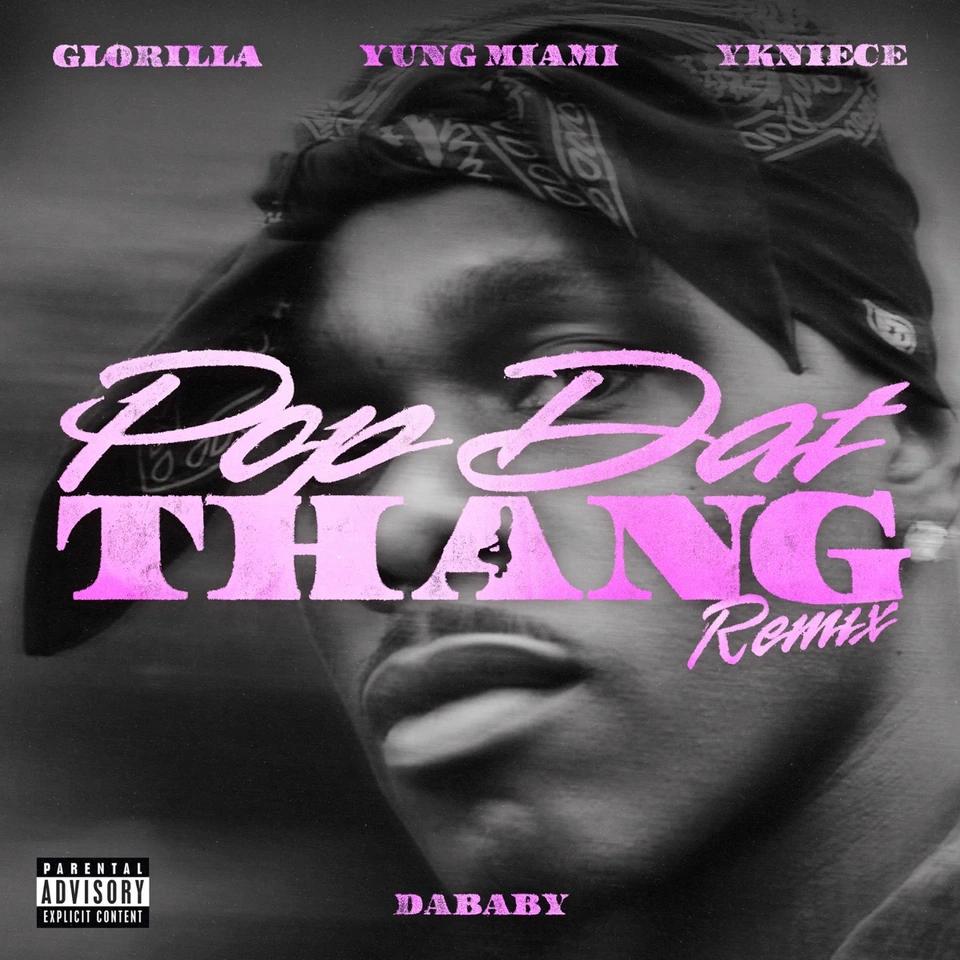
For DaBaby’s Pop Dat Thang, Lunar used an accessible dance concept that could work for solo creators or groups, experienced dancers or beginners. The common idea stayed recognizable while creators had room for their own style.
This approach is useful when the concept survives different settings and levels of skill. Check whether someone could understand the idea from a short explanation and a reference. If reproducing it requires the same room, wardrobe or production setup, you may be narrowing participation before the campaign starts.
The campaign reported 19 videos and 2.33M views on a $3,000 budget. The deck does not quantify additional unpaid participation; the broader lesson here comes from the accessibility of the creative direction.
Valentina: leave room for the answer to change
For Highvyn’s Valentina, Lunar selected smaller creators with consistent historical views and engagement, tested a broader pool and gave the strongest performers another round. The campaign reported 30 videos and 1.79M views on a $3,000 budget.
A test has value when there is a decision left to make. For a future campaign using this approach, reserve budget and time for the follow-up. Agree on what you will review before results arrive, including whether the sound belongs in the format and what viewers respond to.
For example, if a track works in a solo dance but loses its appeal when the format becomes more elaborate, the next brief can retain the simple setup. If people respond mainly to the creator’s unrelated joke, revise the use of the sound before adding more posts. A test should change a specific creative choice.
The published totals do not separate the rounds. They describe the campaign’s overall response, rather than proving how much additional performance the reinvestment produced.
Summer Walker: concentrate when the fit is clearer
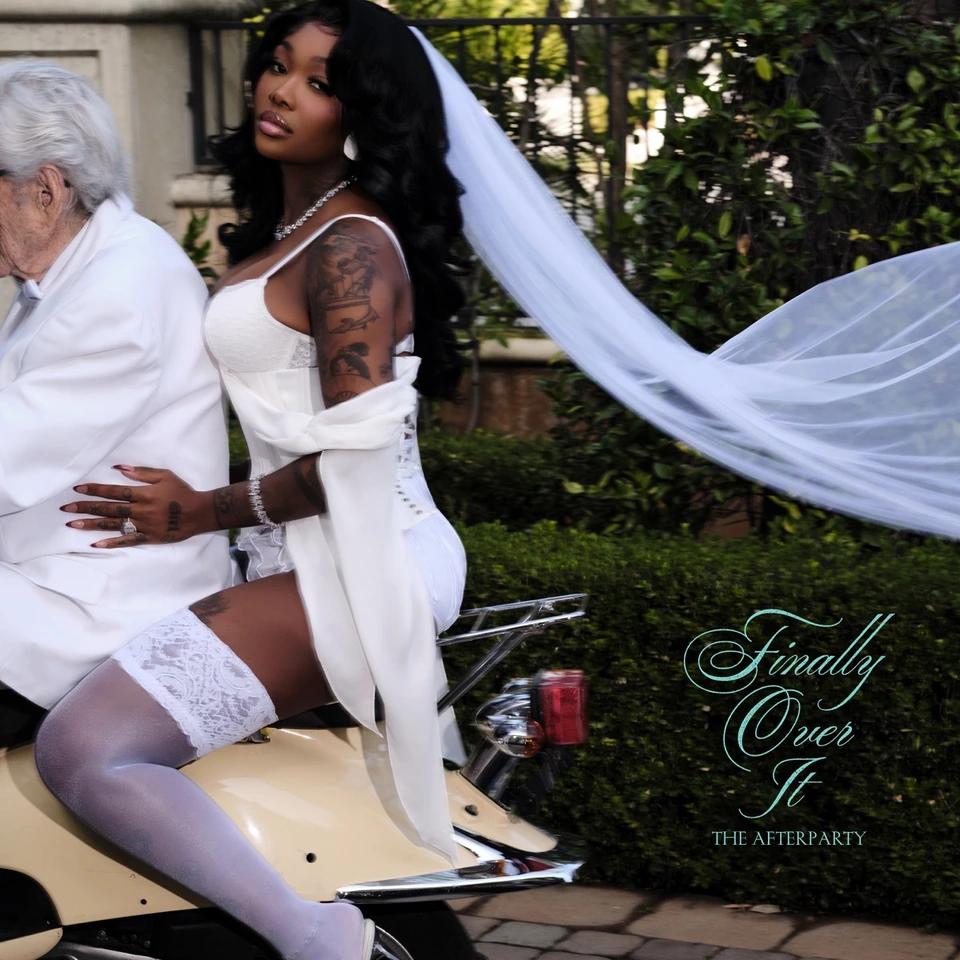
Take Me Out This Club took a more focused approach. Lunar chose creators with proven organic performance and left room for them to adapt the track to their style. Thirteen videos generated 2.37M reported views on a $4,600 budget.
A smaller roster puts more weight on selection before launch. Review the actual proposed use of the music, alongside recent performance. Ask why this creator’s audience would enjoy this track in this format. A successful history strengthens the case for looking closely; the current creative idea still needs to hold up.
Use the comparison to choose a question
Pop Dat Thang and Valentina had the same budget but different creative approaches and deliverable counts. Choosing the first campaign’s lower reported CPM as a universal template would skip the track-specific judgment that shaped both.
Use the examples to identify your uncertainty. Is the idea easy to participate in? Do you need to learn which creators fit? Do you already have a strong reason for a focused roster? Your answer should change how you allocate the next dollar.
| Track | Approach | Videos | Views | Budget |
|---|---|---|---|---|
| Pop Dat Thang | Accessible dance | 19 | 2.33M | $3,000 |
| Valentina | Test and reinvest | 30 | 1.79M | $3,000 |
| Take Me Out This Club | Focused roster | 13 | 2.37M | $4,600 |
Keep attention and listening in the conversation
A TikTok music promotion strategy also needs a definition of success beyond the post. If the goal includes listening, collect the available listening data alongside the campaign timeline. Spotify distinguishes active sources, where someone intentionally seeks music out, from programmed sources. Those differences can help frame the questions you ask about the audience.
They cannot establish that a particular creator caused a change. Keep the viewing response, listening observations and attribution limits clear. Then use the report to make the next creative decision. Growing an artist’s audience starts with caring about the kind of attention the music earns.
Download the campaign brief
About TJ Byun
TJ Byun is a co-founder of Eclips Network and Lunar Media, a seven-figure agency specializing in influencer marketing and clipping. He graduated from the University of Illinois Urbana-Champaign and writes about the creator economy, music marketing and brand growth through short-form video.
Connect on LinkedIn